Works of Lao She
Introduction
Lao She, born Shu Qingchun (1899-1966), was an influential Chinese novelist and playwright known for his vivid depictions of urban life and the human condition. His works reflect the social realities of China during the early to mid-20th century, characterized by humor, rich characterization, and a profound understanding of the cultural and social dynamics of his time. Lao She's oeuvre includes novels, plays, essays, and short stories, many of which explore themes of societal change, identity, and the struggles of ordinary people.
Life and Career
Lao She was born in Beijing into a Manchu family during the late Qing Dynasty (1644-1911). His early experiences in the bustling city of Beijing greatly influenced his literary voice, marked by a keen observance of the everyday lives of its inhabitants. Lao She's educational background in Chinese literature and his experiences as a teacher shaped his narrative style, which is both accessible and impactful.
In the 1920s, Lao She traveled to London to teach Mandarin, an experience that broadened his perspective and influenced his writing. His time abroad allowed him to observe cultural differences and reflect on his own society from a distance, which became a recurring theme in his works.
Major Works
Novels
Lao She's novels are celebrated for their realistic portrayal of life in Beijing. One of his most famous works, "Rickshaw Boy" (Luotuo Xiangzi), published in 1937, tells the story of an honest young rickshaw puller named Xiangzi, who struggles against poverty and societal injustices. The novel's exploration of the human spirit and social criticism has made it a classic of modern Chinese literature.
Another significant novel, "Cat Country" (Mao Cheng Ji), published in 1932, is a satirical science fiction work that critiques contemporary Chinese society through the allegory of a fictional cat nation. It reflects Lao She's concern with national identity and cultural introspection.
Plays
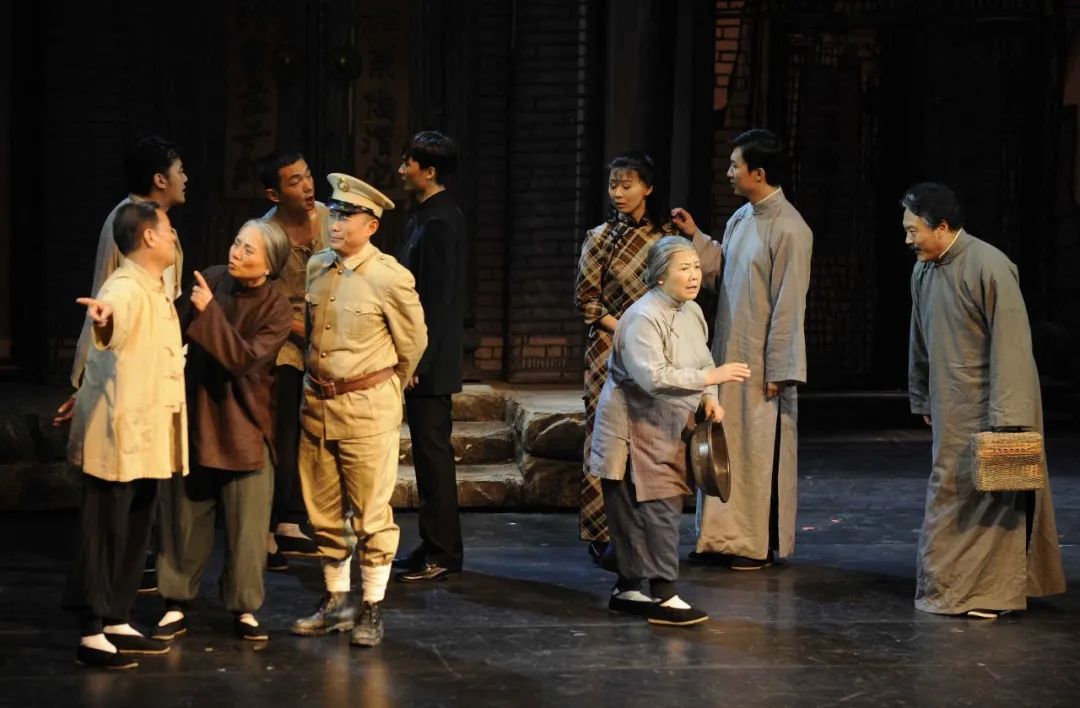
Lao She also made significant contributions to Chinese theater. His play "Teahouse" (Chaguan), written in 1957, is a masterpiece that spans fifty years of Chinese history. Set in a Beijing teahouse, the play portrays the lives of various characters as they navigate the political and social upheavals from the late Qing Dynasty to the early People's Republic of China. "Teahouse" remains a staple in Chinese theater repertoire, revered for its rich character development and historical narrative.
Short Stories
Lao She's short stories capture the essence of Beijing's local life. His storytelling prowess is evident in his ability to convey complex emotions and social commentary through simple yet profound narratives. Some of his well-known short stories include "Neighbors," "Life Choices," "Black Li and White Li," "Sacrifice," "My Ideal Family," and "Twenty Notices for Audiences." These stories, written between 1934 and 1935, showcase his ability to portray the struggles and resilience of ordinary people.
Adaptations and Legacy
Lao She's works have been adapted into various forms, including stage productions and films, ensuring their continued relevance and resonance with contemporary audiences. Director Fang Xu, for instance, has brought Lao She's lesser-known short stories to life on stage, highlighting their timeless appeal and adaptability.
Veteran actress Siqin Gaowa, who gained fame for her role in the 1982 film adaptation of Lao She's "Rickshaw Boy," has been involved in adapting his works for modern audiences. Her contributions underscore the enduring cultural significance of Lao She's narratives, which continue to inspire both creators and audiences alike.
Lao She's writings, deeply rooted in the dialect and culture of old Beijing, provide a window into the historical and social context of his time. His ability to capture the essence of human nature and societal change has earned him a lasting legacy in Chinese literature.
Influence and Recognition
Lao She's contributions to literature have not only garnered national acclaim but have also resonated internationally. His works have been translated into numerous languages, allowing global audiences to appreciate his literary artistry and insights into Chinese society. Efforts to promote Chinese literature abroad, such as the translation projects and cultural exchanges mentioned during the Beijing Culture Forum, have further solidified Lao She's position as a pivotal figure in world literature.
Sinologists and translators worldwide continue to engage with Lao She's works, recognizing their significance in understanding the nuances of Chinese culture and history. The strategic partnerships between literary organizations and international institutions play a crucial role in disseminating Lao She's literary legacy to a broader audience.








